Modality

Hypnotherapy.
Direct work with the subconscious.

A safe, structured form of focused attention – where the conscious mind quiets just enough for the subconscious to receive new instructions, release stored emotion and recover its balance.

Book a Hypnotherapy Session
A calming hypnotherapy environment in Mumbai
What it actually is

Hypnosis is not sleep. It's deep, focused awareness.

Clinical hypnotherapy uses guided relaxation, targeted language and visualisation to bring your mind into a deeply receptive state – the same state you naturally drop into while reading, driving familiar roads or just before sleep.

In that state, the subconscious – which stores emotion, memory and habit – becomes accessible in a way it isn't in normal waking life. We work there gently, with your full consent, second by second.

The science, simplified

Why working with the subconscious works.

Most of what runs your day – emotional reactions, habits, self-image, fear – is not authored by your conscious mind. It's stored, deep and automatic.

95%

of behaviour

Research suggests up to 95% of daily behaviour runs from subconscious patterns – not conscious choice.

θ–α

Brainwave shift

Hypnotic states correspond to theta & alpha brainwaves – the same states linked to deep insight and learning.

100%

You, in control

You hear everything. You choose everything. Hypnosis is collaboration, not surrender.

Applications

What hypnotherapy is well-known for.

  • Anxiety – calming the nervous system at its source
  • Stress & burnout – restoring sleep, presence and reserve
  • Phobias – heights, flying, public speaking, social fear
  • Habits – smoking, overeating, nail-biting, compulsive scrolling
  • Sleep – falling asleep, staying asleep, waking refreshed
  • Confidence – stage fear, voice, body language
  • Grief & trauma – releasing what the body is still holding
  • Pain & psychosomatic patterns – with medical clearance
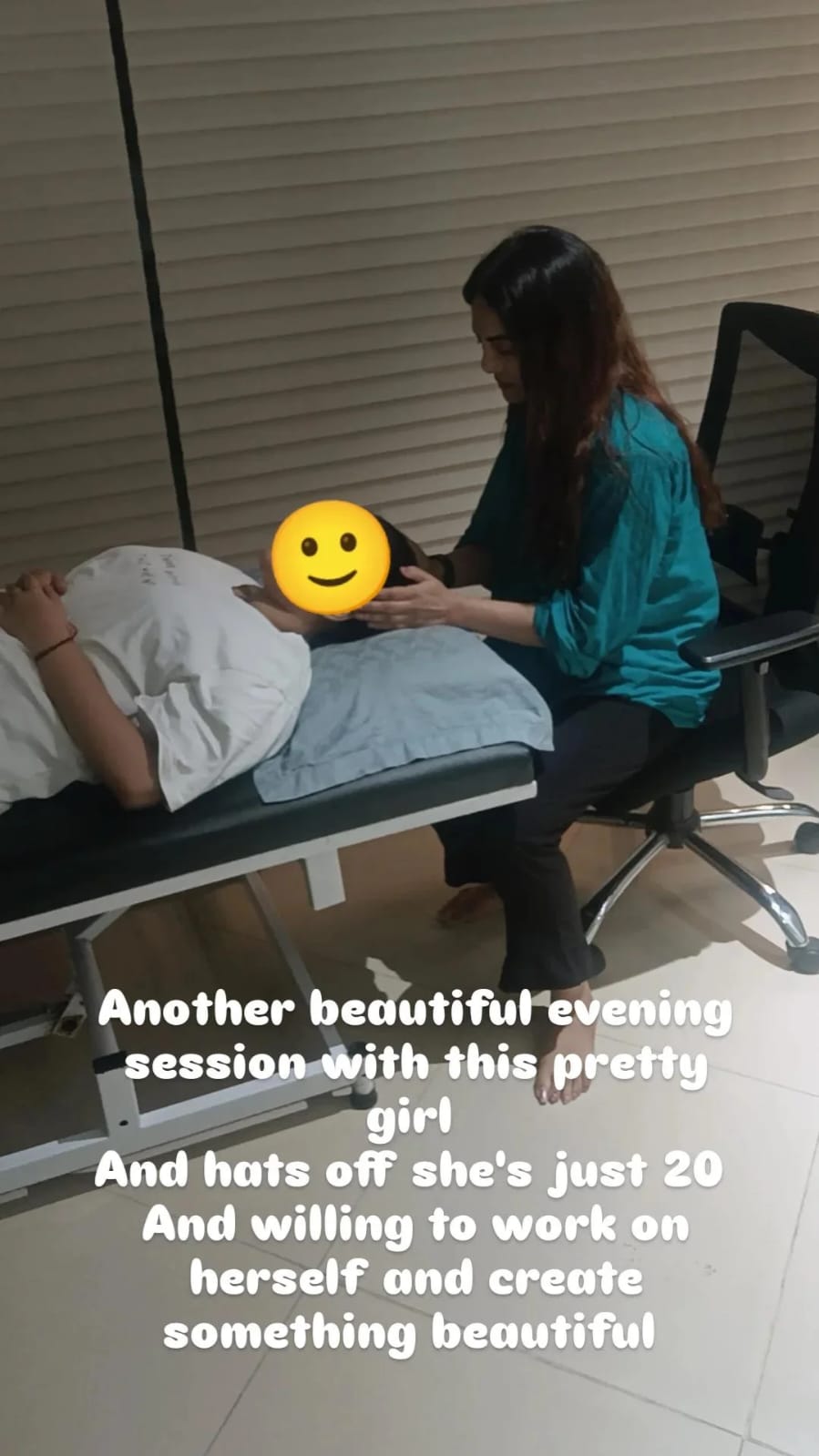
Vibha Jain conducting a private hypnotherapy session
Myths, gently corrected

What hypnotherapy is not.

No. You remain in full control throughout. If a suggestion conflicts with your values, your mind simply ignores it. Stage hypnosis is theatre. Clinical hypnotherapy is medicine.

Quite the opposite. You'll be deeply relaxed but more aware than usual – often with sharper focus and clearer memory of the session afterward.

Almost everyone can experience therapeutic hypnosis. What varies is depth – and a skilled practitioner adjusts in real time.

You cannot. The hypnotic state ends the moment you choose to end it – or simply when the session is over.

Clinical hypnotherapy has decades of clinical literature behind it and is endorsed by major medical bodies for specific applications including anxiety, IBS, pain and habit change.

Session structure

What a session feels like.

1

Conversation

15–20 minutes of context: what you're navigating, your history, what change would feel like.

2

Induction

Guided relaxation – breath, body, voice. You stay aware. The mind softens.

3

Therapeutic Work

Targeted suggestion, regression or visualisation – chosen for what you came in for.

4

Integration

A gentle return, debrief, and a small practice to take home until next time.

Some patterns can't be talked out. They can be felt out.

If you've tried thinking your way through it, hypnotherapy may be the door you haven't opened yet.